New

NEWS POSTS

Okay, so check this out—I’ve been fiddling with every kind of cold storage for years. Wow! My instinct said a tiny card would never beat a full metal device, but then something surprising happened. Initially I thought bulky hardware keys were inherently more secure, but after months of daily use the card felt more natural and oddly more resilient. On one hand the nostalgia of a credit-card form factor is purely ergonomic, though actually there are security and UX trade-offs worth digging into.
Whoa! The very first time I tapped a card to my phone I felt that electric “this is the future” buzz. Seriously? Yes, seriously. The tap is instant. The setup, when done right, is shockingly painless.
Here’s the thing. Card wallets use NFC (near-field communication) to transfer cryptographic data to your mobile device without exposing keys to the internet. Hmm… that sentence sounds simple because the core idea is simple, but the implementation details matter a lot. Some cards store private keys in secure elements that never leave the chip, while others rely on a phone app to mediate signing operations—those differences change threat models.
I’m biased, but form factor matters more than most people admit. My pockets are busy. My daily carry needs to be unobtrusive. A slim card that lives in a wallet blends into life. Also it’s easier to hand to a friend to inspect than a fussy dongle. (Oh, and by the way—these cards survive being sat on; one survived my dryer cycle. True story, though I won’t recommend testing that.)
Now let me walk through what actually happens when you use a card wallet. Tap. Authenticate. Sign. Confirm. The signed transaction is broadcast from your phone, but the private key never leaves the card. That’s the security promise in a sentence. But the devil, as always, is in the details—PIN policies, backup models, firmware update paths, and physical attack resistance all change the real-world outcome.
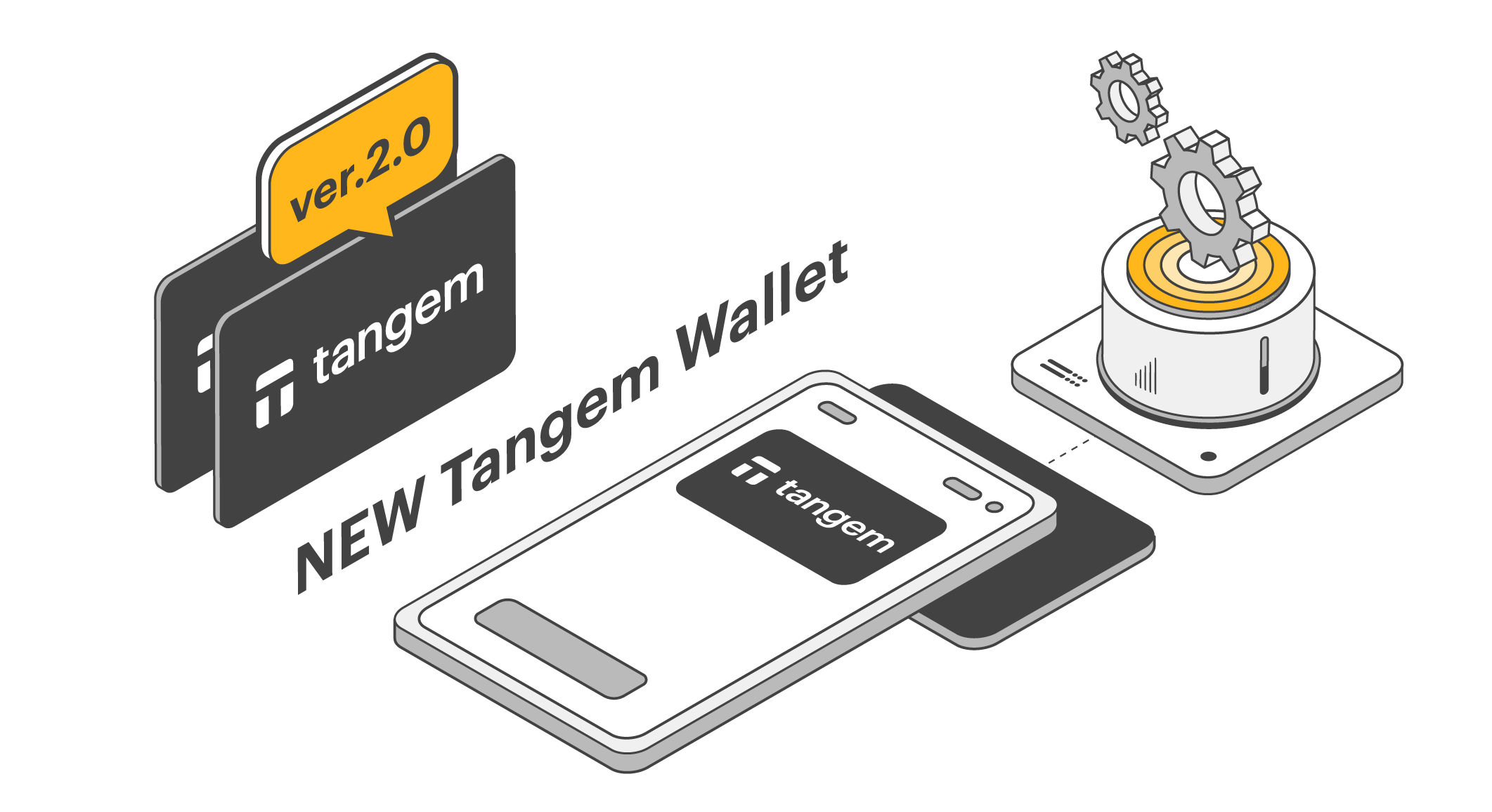
Short version: they emulate a secure element and handle private key operations internally. Really? Yep. The card uses cryptographic primitives built into its chip to generate and sign transactions, and communicates over NFC so your phone can request signatures without ever seeing private keys. Medium-length explanation: the phone acts as a relay and UI only, while the card enforces policies like requiring a PIN, limiting signature types, or demanding explicit user approval via a built-in UI (if available). Longer thought: depending on the card’s architecture, you might have additional protections such as anti-tamper enclosures, side-channel resistant chips, or securely provisioned keys that make cloning extremely difficult, although no device is perfectly immune to determined attackers.
Hmm… I remember the first time I read a whitepaper explaining secure elements versus smartcards. Initially I thought those were just marketing words, but then I realized how much trust you place in a tiny silicon piece to be honest forever. Actually, wait—let me rephrase that: you place trust in its manufacturer, its firmware processes, and the whole supply chain. So supply chain provenance is very very important.
One practical nuance that bugs me: backup strategies for card wallets are often clunkier than for seed-phrase systems. There are approaches that let you copy multiple cards from one seed, or use an offline QR or split-seed backup, but each choice shifts risk. On one hand a duplicate card means convenience and redundancy; on the other hand duplicates increase attack surface if not handled tightly. My working rule: decide whether you want a single hardware root of trust or a recoverable seed—those are different philosophies.
Here’s another tangible difference: usability. The tactile experience of tapping a card is fast and familiar. I don’t fumble with cables or tiny buttons. That lowered friction matters. People actually use their cold storage when it’s convenient. That’s not trivial; adoption sometimes depends on tiny things like whether the device fits in your wallet with your supermarket rewards card.
Let’s talk about real security scenarios. Suppose someone steals your wallet. If the card needs a PIN to sign, an attacker has to either break the chip or brute-force the PIN and bypass lockout protections. If the wallet ties authorization to a companion app plus biometric confirmation, that’s an additional layer. But if your only defense is a weak PIN, well, then you’re in trouble. There’s no silver bullet here—layered defenses win.
Whoa! You should always assume worst-case threats. Seriously? Yes—supply chain attacks and firmware compromises are real. My instinct said “this is overblown,” but then I remembered cases where insecure update mechanisms were abused in other industries. On the other hand, some vendors go to great lengths to ship devices with signing protocols and verified firmware updates, and that practice matters a lot.
When choosing a card, I look for several things in priority order: a reputable secure element, clear documentation of firmware update process, strong backup/recovery options, and a transparent threat model from the manufacturer. If they claim “unbeatable” security without evidence, that’s a red flag. I’m not 100% sure about every vendor’s claims, but I do vet the technical docs and community audits when possible.
One card I tested recently paired with an app that handled multiple blockchains and allowed quick, auditable signing. I linked my experience to a provider named tangem in my notes because their model highlights direct NFC signing with minimal friction. That integration showcased how an NFC-first UX can be elegant and secure when implemented by a team that understands mobile constraints.
Pros first: convenience, low friction, pocket-friendly design, and a reduced chance of losing a tiny dongle. Medium: cards are easy to carry and often cheaper than premium hardware keys. Longer: because they integrate directly with phones over NFC you avoid cables, drivers, and the roadside-inconveniences of different USB standards across devices and operating systems, which actually simplifies day-to-day use.
Cons: backup and recovery can be awkward compared to standard BIP39 seeds, and you must trust the card manufacturer’s firmware and supply chain. Also, some cards lack open-source firmware, which bugs me because transparency matters for long-term trust. There are ways to mitigate those concerns—multi-party backups, multisig setups, or keeping a separate hardware seed for recovery—but those strategies raise complexity.
Something felt off about one card I tried; small print revealed a cloud recovery option that made me uneasy. My gut said “don’t use cloud recovery for cold storage.” That gut feeling is not proof, but it’s a signal to read the fine print. On the flip side, if you’re the kind of person who needs fast access to funds—say you’re managing many small payments—a card’s convenience might outweigh the theoretical risk.
Also, cost is a factor. Card wallets can be less expensive than hobbyist hardware devices, which lowers the barrier to entry. That’s a good thing for mainstream adoption. But cheaper often means fewer security certifications, so weigh cost against your personal threat model.
Short digression: if you’re tech-curious, try a multisig where one key is a card and others are hardware keys or mobile-only keys. That hybrid approach gives you convenience for daily spending and extra resilience against device loss or vendor-specific failure. It feels almost like insurance—costly but worth it if you value your holdings.
They can be, but treat them like any single root key: consider multisig for large sums, verify the card’s secure element and firmware process, and avoid trusting any single vendor blindly.
Not easily. Secure elements are designed to prevent key extraction. Casual cloning isn’t practical; targeted attacks are more complex and expensive but theoretically possible, so protect backup seeds and consider hardware redundancy.
If you’ve set up proper recovery beforehand (seed, duplicate card, or multisig) you can recover funds. If you relied solely on a single card with no backup, recovery may be impossible—so please plan ahead.
I’ll be honest: this space evolves fast. My recommendations in six months might shift as new chips, audits, and threats emerge. The important point I keep coming back to is this—usability and security must be balanced for real-world protection. People often choose one or the other, and that trade-off determines whether they actually use their cold storage properly.
Finally, personal closing thought: if you’re buying a card wallet for the first time, test it end-to-end with a small amount, learn the recovery process hands-on, and then scale. That pragmatic approach saved me from an expensive mistake once, and it will probably save you too. Somethin’ about hands-on testing makes theory real.
Okay—one last note before I trail off. Hardware, whether card or key, is only one layer. Your phone, social accounts, email, and physical security all factor in. So build layers, keep backups, and be slightly paranoid. That mindset keeps my crypto where it belongs: usable and safe.
Плинко – захватывающая азартная игра, покорившая сердца любителей риска и азарта по всему миру. В основе геймплея лежит простая, но увлекательная механика: шарик сбрасывается с верхней точки специального игрового поля, усеянного штырями. Отскакивая от них, шарик хаотично движется вниз, в конечном итоге попадая в одну из ячеек, каждая из которых имеет свой собственный коэффициент умножения. Игра plinko game online стала популярной благодаря своей доступности и возможности испытать удачу, не прилагая особых усилий, а также за счет впечатляющих выигрышей.
Эта игра привлекает своей простотой и динамичностью, предлагая игрокам возможность быстрого выигрыша. Плинко – не просто развлечение, это шанс проверить свою интуицию и насладиться азартом, не выходя из дома. Многие онлайн-казино предлагают разнообразные варианты этой игры, с различными коэффициентами и правилами.
История Плинко берет свое начало в телевизионном шоу, где игроки сбрасывали шарики, чтоб выиграть денежные призы. Первоначально игра существовала только в физическом формате, но с развитием цифровых технологий она быстро перекочевала в онлайн-казино, став популярным выбором для азартных игроков. Современные онлайн-версии Плинко отличаются от своего аналога в телевизионных шоу более гибкими настройками, разнообразными уровнями риска и потенциально более высокими выигрышами.
| Элемент игры | Описание |
|---|---|
| Игровое поле | Вертикальная поверхность с рядами штырей. |
| Шарик | Объект, который сбрасывается с верхнего края поля. |
| Штыри | Препятствия, от которых шарик отскакивает. |
| Ячейки | Зоны внизу поля с разными коэффициентами выплат. |
Основной принцип игры заключается в случайности. После того, как игрок делает ставку и запускает шарик, траектория движения становится непредсказуемой. Шарик, хаотично отскакивая от штырей, стремится к нижней части поля, где расположены ячейки с различными коэффициентами выплат. Размер выигрыша определяется суммой ставки, умноженной на коэффициент ячейки, в которую попал шарик. Подбор стратегии в этой игре невозможен, но понимание вероятностей поможет. Разные варианты Плинко могут предлагать различные множители, увеличивая или уменьшая риск.
Несмотря на кажущуюся простоту, исход игры Плинко зависит от ряда факторов. Во-первых, расположение штырей и их взаимное влияние на движение шарика. Во-вторых, сила и угол, с которого сбрасывается шарик, хоть и незначительны, но тоже вносят свой вклад. В-третьих, качество и точность программного обеспечения, обеспечивающего случайность результата на платформах plinko game online. Современные онлайн-казино используют генераторы случайных чисел (ГСЧ), чтобы гарантировать честность и непредсказуемость результатов.
Многие игроки ищут стратегии, способные повысить их шансы на выигрыш в Плинко. Однако, из-за высокой степени случайности, универсальные стратегии, гарантирующие успех, отсутствуют. Некоторые игроки делают ставку на ячейки с более высокими коэффициентами, надеясь на крупный выигрыш, в то время как другие предпочитают делать небольшие ставки на несколько ячеек, чтобы увеличить свои шансы на получение хоть какого-то выигрыша. Важно понимать, что Плинко – это игра больше о везении, чем о стратегическом мышлении.
Современные онлайн-казино предлагают широкий выбор вариантов Плинко, каждый из которых имеет свои особенности и преимущества. Некоторые игры отличает более высокий максимальный выигрыш, другие – более низкий порог минимальной ставки. Также существуют варианты Плинко с бонусными функциями, такими как множители выигрышей или дополнительные призы. Выбор конкретного варианта Плинко зависит от индивидуальных предпочтений и стиля игры игрока.
Одной из самых привлекательных разновидностей Плинко является версия с прогрессивным джекпотом. В этой версии часть каждой ставки идет в общий призовой фонд, который постоянно увеличивается по мере игры других игроков. Выигрыш прогрессивного джекпота может достигать огромных сумм, делая эту игру очень привлекательной для игроков, ищущих крупные выигрыши. Однако, следует учитывать, что вероятность выигрыша прогрессивного джекпота обычно очень мала.
В некоторых версиях Плинко коэффициенты выплат в ячейках могут изменяться. Это создает дополнительный уровень азарта и непредсказуемости, поскольку игроки не знают, какие коэффициенты будут действовать на данный момент. Изменяемые коэффициенты могут быть связаны с различными событиями, такими как время суток, количество игроков или специальные акции, проводимые казино. Игрокам следует внимательно следить за изменением коэффициентов, чтобы принимать обоснованные решения.
Как и любая другая азартная игра, Плинко имеет свои преимущества и недостатки. К преимуществам можно отнести простоту правил, динамичность геймплея, а также возможность быстрого выигрыша. К недостаткам относится высокая степень случайности, отсутствие стратегий, гарантирующих успех, а также риск проигрыша. Перед тем, как начать играть в Плинко, игрокам следует тщательно взвесить все «за» и «против» и быть готовыми к потенциальным потерям.
Для тех, кто только начинает знакомство с игрой Плинко, рекомендуется придерживаться нескольких простых советов. Во-первых, начните с небольших ставок, чтобы ознакомиться с механикой игры и понять, как работает система выплат. Во-вторых, не ставьте все свои средства на одну игру. Разделите свой банкролл на несколько частей и делайте ставки на несколько игр подряд. В-третьих, не позволяйте эмоциям влиять на ваши решения. Играйте ответственно и помните, что Плинко – это прежде всего развлечение, а не способ заработка.
Игра plinko game online – отличный способ провести время и испытать удачу. При правильном подходе и ответственном отношении к игре, Плинко может принести немало положительных эмоций и даже достойный выигрыш. Главное, помните, что азартные игры должны быть развлечением, а не способом заработка.
Il gioco Plinko, celebre per il suo meccanismo semplice e coinvolgente, sta vivendo una vera rivoluzione grazie all’adozione di tecnologie avanzate. Dalle innovazioni software che simulano l’esperienza di gioco in ambienti virtuali alle tecniche di crittografia che garantiscono sicurezza e trasparenza, queste innovazioni stanno portando il Plinko a un livello superiore. In questo articolo analizzeremo come le tecnologie di ultima generazione stanno rendendo possibile un’esperienza di gioco reale, sicura e affidabile, anche in contesti digitali e regolamentati.
Le tecnologie di realtà aumentata (AR) e realtà virtuale (VR) stanno rivoluzionando il modo in cui i giocatori interagiscono con giochi come Plinko. Attraverso dispositivi come visori VR e applicazioni AR su smartphone o tablet, è possibile ricreare fedelmente l’ambiente di un tavolo di Plinko, consentendo agli utenti di vivere un’esperienza immersiva senza dover accedere a un’installazione fisica.
Ad esempio, alcune piattaforme di gioco online integrano ambienti VR dove i giocatori possono vedere e interagire con il tavolo tridimensionale, manipolando le palline in modo realistico grazie a sensori di movimento. Ciò non solo aumenta il coinvolgimento, ma consente anche di replicare la sensazione di un gioco ufficiale, riducendo sostanzialmente il limite tra il gioco fisico e quello digitale. Per scoprire di più sulle esperienze offerte, puoi visitare Highflybet casino.
Il cuore del Plinko, come di qualsiasi gioco d’azzardo, risiede nella casualità delle sue risposte. La tecnologia di generazione pseudocasuale (pseudo-RNG) o di generazione di numeri veramente casuali (True RNG) garantisce l’equità del gioco, impedendo manipolazioni e offrendo risultati imprevedibili e affidabili.
Le aziende leader del settore utilizzano algoritmi di crittografia e metodi hardware per assicurare una vera casualità. Ad esempio, alcuni sistemi integrano dispositivi hardware di generazione di numeri casuali basati su fenomeni fisici come rumore elettronico o eventi quantistici, aumentando così il livello di sicurezza e trasparenza.
Grazie alle capacità di analisi avanzata dei dati, le piattaforme di gioco possono aiutare gli operatori e i giocatori a comprendere meglio le dinamiche del gioco. Software specializzati raccolgono e analizzano grandi quantità di dati sulle sessioni di gioco, identificando pattern e tendenze.
Questo permette di affinare le strategie di posizionamento delle palline virtuali, migliorare l’esperienza utente e garantire che il sistema mantenga un equilibrio tra casualità e probabilità di vincita. In ambito regolamentare, queste analisi sono fondamentali per dimostrare l’assenza di manipolazioni e assicurare la correttezza del sistema.
Le chiavi di crittografia sono strumenti fondamentali per salvaguardare le transazioni finanziarie e i risultati del gioco. Le piattaforme di Plinko, soprattutto quelle online, implementano sistemi di crittografia end-to-end per assicurare che ogni giocata, ogni deposito e ogni vincita siano protetti da attacchi informatici.
Attraverso tecniche come TLS (Transport Layer Security) e crittografia a chiave pubblica/privata, si garantisce che i dati sensibili siano accessibili solo agli utenti autorizzati, impedendo manipolazioni esterne.
La blockchain rappresenta una delle soluzioni più innovative per garantire la trasparenza e l’immutabilità dei risultati di gioco. Integrando un sistema di registrazione distribuito, ogni risultato di Plinko può essere pubblicamente verificato e certificato, eliminando qualsiasi possibilità di manomissione o alterazione.
Per esempio, alcuni operatori di gioco utilizzano blockchain per registrare ogni singola sessione di gioco, dalla generazione del risultato alla verifica dei payout, consentendo ai giocatori di controllare la validità dei risultati attraverso strumenti di verifica pubblica.
La sicurezza degli accessi è garantita mediante sistemi di autenticazione multifattoriale (MFA) e protocolli di crittografia avanzata. Ciò assicura che solo utenti verificati possano accedere ai propri account o gestire le piattaforme di gioco, riducendo i rischi di frodi e accessi non autorizzati.
Le tecnologie crittografiche sono fondamentali per prevenire frodi e manipolazioni. La crittografia dei dati, combinata con i sistemi di blockchain, rende praticamente impossibile alterare i risultati o falsificare le transazioni, proteggendo sia gli operatori sia i giocatori.
La trasparenza non è solo un valore etico ma anche una necessità normativa. L’uso di tecnologie come la blockchain garantisce l’integrità e la verificabilità dei dati, costruendo fiducia tra giocatori e operatori e facilitando il rispetto delle normative di settore.
Le evoluzioni tecnologiche vengono integrate all’interno di standard internazionali e normative specifiche del settore del gioco d’azzardo. Le certificazioni ISO/IEC e le direttive come il GDPR garantiscono che le piattaforme di Plinko non solo siano innovative, ma anche conformi a tutti gli requisiti di sicurezza, trasparenza e correttezza.
In conclusione, l’integrazione di software avanzati e tecnologie crittografiche sta trasformando il modo in cui il gioco Plinko viene percepito e gestito, portando maggiore sicurezza, equità e affidabilità, elementi indispensabili in un settore altamente regolamentato e in continua evoluzione.
The world of online casino games offers a vast array of options for players seeking entertainment and potential winnings. Among these, plinko stands out as a uniquely engaging and simple – yet surprisingly strategic – game of chance. Rooted in the familiar game show aesthetic, plinko has evolved from a television staple into a beloved online casino classic, attracting both seasoned gamblers and newcomers alike. Its appeal lies in its straightforward gameplay, visually appealing presentation, and the thrilling anticipation of watching your stake cascade down the grid. This guide will delve into the intricacies of plinko, covering its mechanics, strategies, and what makes it a standout choice in the expansive realm of online gaming.
At its core, plinko is a game of vertical chance. Players place a bet and then release a puck (or ball) from the top of a board filled with pegs. As the puck descends, it bounces randomly off these pegs, changing direction with each impact. The final destination of the puck determines the payout, as different slots at the bottom of the board offer varying multipliers. The higher the multiplier, the larger the potential win, but the less likely it is for the puck to land in that specific slot. The element of random chance is crucial, making each drop a thrilling experience.
The simplicity of the rules doesn’t preclude strategic consideration. Players can often select the number of rows on the plinko board, influencing the potential multipliers and the overall risk-reward profile. Fewer rows mean higher potential payouts but reduced odds, while more rows offer smaller, but more frequent, wins. This allows players to tailor their gameplay to their risk tolerance and bankroll.
| Number of Rows | Potential Multipliers | Risk Level | Typical Payout Frequency |
|---|---|---|---|
| 5 | Up to 100x | High | Low |
| 10 | Up to 50x | Medium | Moderate |
| 15 | Up to 20x | Low | High |
The interplay between risk and reward is central to the plinko experience. A key decision players face is selecting the size of their bet and the number of rows. Increasing the bet size naturally amplifies potential winnings, but also increases potential losses. Choosing a higher number of rows decreases the maximum possible payout but significantly increases the probability of winning something on each drop. Successful plinko play involves finding a balance that aligns with your individual financial strategy.
Smart players often employ a bankroll management system, setting limits on both the amount they’re willing to bet and the maximum loss they can tolerate. This discipline helps prevent chasing losses and ensures a more sustainable and enjoyable gaming experience. Understanding the concept of Return to Player (RTP) is also valuable; while plinko is largely a game of chance, knowing the theoretical payout percentage can help you assess the game’s long-term value.
While plinko is fundamentally a game of chance, there are strategies players can employ to potentially improve their outcomes. One common approach is to utilize smaller bets across a larger number of rows. This aims to increase the overall frequency of wins, albeit smaller ones, building a consistent profit over time. This approach prioritizes longevity and minimizing risk. Another strategy involves focusing on slightly fewer rows, opting for a moderate risk level to achieve a balance between payout potential and win frequency.
Some players also implement a “martingale” system, doubling their bet after each loss, with the aim of recovering previous losses and securing a profit on the next win. However, this strategy is extremely risky and requires a substantial bankroll, as losing streaks can quickly escalate if the game doesn’t return a win. It’s important to remember that no strategy can guarantee consistent wins, and responsible gambling principles should always be prioritised.
Beyond basic bet sizing and row selection, experienced plinko players often experiment with varying their approach based on observed patterns. While each drop is technically independent, some players believe that certain sections of the board may be “hot” or “cold” based on recent results. This is an element of player perception, but it can influence decision-making. Another technique involves utilizing auto-play features, if available, to execute a pre-defined betting strategy over a series of drops. This is a convenience feature, but can potentially help apply a set of calculations without manual effort.
It is crucial to stress that these “advanced” techniques are based on subjective observation and do not change the underlying probabilities of the game. Plinko remains a game of chance, and skill plays a minimal role. The entertainment value of the game is paramount, keeping responsible gaming at the forefront.
Plinko’s evolution from a television game show to a popular online casino game demonstrates its enduring appeal. Originally featured on ‘The Price is Right’, its basic premise has translated well to the digital world. Modern online plinko games often incorporate visually stunning animations, customizable settings, and even multiplayer features, enhancing the overall player experience. Developers are consistently exploring new ways to innovate within the plinko framework, introducing unique bonus rounds, themed variations, and progressive jackpots.
The future of plinko likely involves further integration of cutting-edge technology, such as virtual reality (VR) or augmented reality (AR), to create an even more immersive and interactive gaming environment. The rise of mobile gaming will also continue to reshape the plinko landscape, with developers optimizing games for smartphones and tablets to cater to the growing demand for on-the-go entertainment. Furthermore, a focus on responsible gaming features and player protection will be essential to ensure that plinko remains a safe and enjoyable pastime for all.
| Innovation | Impact on Plinko | Projected Timeline |
|---|---|---|
| Virtual Reality (VR) Integration | Immersive, 3D gaming environment | 2-5 years |
| Augmented Reality (AR) Elements | Enhanced visual experience on mobile devices | 1-3 years |
| Multiplayer Plinko Tournaments | Social gaming and competitive aspect | Within 1 year |
Plinko remains a captivating blend of simplicity and excitement. Its affordability, quick rounds, and visually appealing design make it a popular choice among casino enthusiasts. While luck plays the dominant role, understanding the game dynamics, implementing smart bankroll management, and practicing responsible gaming can contribute to a more rewarding and entertaining experience.
Escrow helps create a safer, smoother real estate transaction by holding funds and documents until every condition is met. Escrow accounts help protect your money and keep transactions on track, but they aren’t perfect. Depending on the stage of the process, that could be an escrow agent or your mortgage servicer. The escrow agent gathers all necessary documents, tracks deadlines, and ensures the mortgage funds are ready to be released once everything is in place. The buyer applies for a mortgage, and the lender begins the approval process.
It can be a helpful tool for managing property taxes and insurance, but it also comes with added responsibilities. Lenders are big fans of escrow accounts, too. Each month, a portion of your mortgage payment goes into this account. If relevant taxes or premiums increase, your escrow account may be underfunded.
Your credit can be an important factor in the interest rate you receive when you buy a home, refinance your mortgage or take out a home equity loan or line of credit. For example, escrow waivers aren’t available for FHA loans, but you might be able to get a waiver with a conventional loan. However, the availability of this option depends on the type of mortgage you have and your lender’s requirements.
The escrow agent or company is sometimes the same as the title company. This deposit shows the seller that you’re serious about purchasing the home. Once the conditions are met, the money will be released to the right party. For example, perhaps you agreed that the seller can stay in the home an extra month, or there are outstanding bills on the home that the seller is responsible for (like a water bill).
Some might allow it for conventional loans or VA loans, especially if you make a down payment of at least 20% of the purchase price. You can eliminate this account by refinancing into a conventional loan with a lender that doesn’t require escrow for additional items. Lenders typically require private mortgage insurance (PMI) if the down payment is less than 20%. Fannie Mae and Freddie Mac, the government-sponsored entities that back conventional loans, generally don’t require mortgage escrow except for loans that involve mortgage insurance.
Whether you’re buying or selling, having clear visibility into every step of the transaction helps you move forward with confidence. VA loans may allow you to opt out with 10% down and a strong credit profile. After you own your home, escrow continues to manage certain recurring expenses. Sellers gain assurance that the buyer is serious and financially capable. Since a neutral third party holds the funds, you can be confident your deposit will be returned according to your contract terms.
Explore how income, debt, and down payment affect your budget and how much you can afford. Learn what a letter of explanation for a mortgage is, why lenders request it, what to include, how to write it, examples, and what happens after you submit one. You should consult your own tax, legal and accounting advisors before engaging in any transaction. In other words, the cost of borrowing the money for your loan is higher than the industry average. In the case of a cash-out refinance, loan proceeds (aka, the money you make from refinancing) will also be held here.
It is used to pay property taxes and homeowners’ insurance on your behalf.In many cases, lenders require buyers to set up a mortgage escrow account as part of the loan agreement. When you get an escrow account, a portion of your monthly mortgage payments go toward things like property taxes and insurance premiums. The lender sets up an escrow account that will be used for monthly payments that cover not only your home insurance but also mortgage insurance and real estate taxes, as well as any HOA fees.
Home insurance can help reimburse you for many potentially large financial losses caused by disasters like fires, vandalism, falling objects, and more. Working with a local independent insurance agent who understands the ins and outs of homeowners insurance is the easiest way to ensure your home gets the protection it needs and that you get the best possible price. The mortgage lender gets all the updates about your policy, including renewal notifications and policy changes.
However, opting out of what is escrow and how does it work escrow may mean you’re responsible for managing tax and insurance payments yourself. For many homeowners, it becomes an integral part of managing mortgage payments. Once all agreed conditions are satisfied, the escrow agent disburses funds to the seller and other parties—such as real estate agents and lenders. Once you close on the home, a separate escrow account may be set up by your mortgage lender. If there’s a surplus in your escrow account after closing or refinancing, your lender may refund the excess within 20 days.
Since taxes and insurance costs fluctuate, it’s up to the lender, or the company that manages an existing mortgage, to make sure they are holding the appropriate amount of funding for the account. The funds are deposited into a neutral, third-party account — the escrow account — for the time period until the transaction closes. 68% of homeowners have experienced payment increases over the past two years due to rising taxes and insurance. Lenders use escrow to ensure property taxes and insurance stay current. That amount gets added to your monthly payment and deposited into your escrow account. Rather than handing that money directly to the seller, it goes into an escrow account managed by a neutral party like a title company or attorney.
Because property taxes and insurance premiums can change each year, your monthly payment could also change. Mortgage escrow accounts also exist to protect the buyer and seller during the homebuying process. When you close on a mortgage loan, your lender or loan service provider will typically set up an escrow account. However, escrow accounts aren’t for everyone, but all homeowners must be equipped with the right kind of homeowners insurance.
Doing so will lower your monthly mortgage payment, but you’ll have to save for tax and insurance payments on your own. If you hold too much money in the account, your mortgage payment may go down and you’ll receive a refund each year. Since you’re paying for your taxes and insurance throughout the year, the payments are much more manageable.
If your old loan had an escrow account, it will be closed by your new escrow agent and any remaining funds in there will be returned to you. When you refinance your mortgage, you’ll use an escrow account to deposit money for things like appraisal fees and attorney fees. To protect all parties involved in the transaction, money will be deposited into an escrow account for safekeeping. Your existing escrow account will not impede your ability to shop for new homeowners insurance coverage. That’s why some homeowners may cancel their escrow account and move their money into a savings account with an interest rate. In general, banks and other servicers are not required to generate interest on money held in escrow accounts.
Sometimes associations have special assessments for specific projects and those fees would also not be covered by an escrow account. The actual steps that occur during your escrow process will vary based on local laws, the terms of your sale and your lender’s requirements. Since those premiums and tax bills can change, your escrow payment will be reviewed and recalculated annually. If you pay private mortgage insurance or have a separate flood or wildfire insurance policy, those premiums are also calculated on an annual basis. You may receive a refund if you’ve overpaid, or your monthly loan payment could be increased if you’ve underpaid. Escrow accounts are used for closings in about half of the states in the U.S., with each state having varying requirements for he closing process.
For high-rollers and discerning players, the selection of payment methods and the processing times associated with them can significantly impact the gaming experience at 1Red Casino. This guide provides a detailed overview of the available payment options, withdrawal limits, and the efficiency of transactions, ensuring that your time spent at this esteemed establishment is both enjoyable and seamless.
To begin your journey at 1Red Casino, you must first complete the registration process. Follow these steps:
Upon successful registration, you are entitled to a welcome bonus that can enhance your playing capital. Here’s how to claim it:
1Red Casino provides a range of deposit methods to cater to your preferences. Here’s how to deposit funds:
Withdrawing your winnings is equally crucial. Follow these steps to ensure a smooth withdrawal process:
Understanding the processing times and limits for each payment method is essential for effective financial management. Below is a summary of the expected processing times and withdrawal limits at 1Red Casino:
| Payment Method | Processing Time | Withdrawal Limit |
|---|---|---|
| Credit/Debit Cards | 2-5 business days | £20 – £5,000 |
| e-Wallets | Instant – 24 hours | £20 – £10,000 |
| Bank Transfers | 3-7 business days | £20 – £5,000 |
At 1Red Casino, high-rollers can take advantage of an exclusive VIP programme designed to elevate the gaming experience. Benefits include:
By carefully considering these payment methods, processing times, and the VIP programme, players at 1Red Casino can ensure an elevated gaming experience, maximising both enjoyment and returns while adhering to UK Gambling Commission regulations.
Legion Edge’s Hybrid Mode automatically switches between graphics modes. In those cases, when battery Worldtradex scammers life is more important, Hybrid Mode switches to integrated graphics. Get the best of both worlds—top performance when you need it, and extended battery life when you don’t. Quick, secure access to your purchase history for warranty https://worldtradex.club/ validation or insurance claims.
In the fiercely competitive landscape of online gaming, delivering seamless, fair, and engaging mobile slot experiences is paramount. As players increasingly access casino games across a myriad of devices and operating systems, the responsibility shifts to developers and testing professionals to ensure optimal performance and integrity. The focus on mobile slot testing has grown from a technical necessity into a strategic pillar of player retention and regulatory compliance.
Unlike traditional desktop environments, mobile devices introduce unique challenges stemming from their diverse hardware specifications, operating system versions, display sizes, and network conditions. An article from learn more about mobile slot testing highlights these complexities through the lens of the Monopoly Big Event slot game. This case exemplifies the necessity for comprehensive testing protocols to ensure consistent gaming experiences across the mobile spectrum.
“Robust mobile slot testing is not just about bug fixing; it is an assurance of fairness, user satisfaction, and brand integrity in a high-stakes environment.”
| Aspect | Importance | Industry Insight |
|---|---|---|
| Compatibility Testing | Ensures functionality across various OS, devices, and browsers. | Testing on popular models such as iPhone, Samsung Galaxy, and Huawei devices reveals compatibility gaps that may impact user engagement. |
| Performance Testing | Measures loading times, responsiveness, and smoothness during gameplay. | Studies show that latency above 150ms significantly deteriorates user experience and increases churn rates. |
| Security & Fairness | Guarantees RNG integrity and data protection compliance. | Regulatory frameworks, like the UK Gambling Commission, mandate rigorous testing to prevent tampering and fraud. |
| Usability Testing | Assesses interface intuitiveness and accessibility. | Adapting UI for small screens and touch controls addresses a broad demographic, including players with disabilities. |
| Localization & Cultural Relevance | Ensures game content appeals to diverse markets. | Localization testing, including language and cultural symbols, directly correlates with increased player retention in global markets. |
The Monopoly Big Event slot exemplifies a game with elaborate features—bonus rounds, progressive jackpots, and animations—that pressure testing environments to simulate real-world scenarios accurately. Ascertaining the game’s stability involves millions of simulated spins, network fluctuation tests, and device-specific performance evaluations.
This case reinforces the significance of specialized testing services that can uncover hidden bugs, optimize performance, and validate RNG mechanisms. It underscores why industry leaders invest heavily in dedicated mobile slot testing and why comprehensive resources—such as those available at learn more about mobile slot testing—are fundamental tools in this process.
Emerging technologies, including AI-powered testing and automated regression strategies, carve out new frontiers for mobile slot validation. These advancements enable rapid identification of regression bugs, performance bottlenecks, and security vulnerabilities, significantly reducing time-to-market for new titles.
Simultaneously, the proliferation of 5G connectivity and augmented reality features will demand even more sophisticated testing frameworks to ensure that immersive experiences are delivered without compromise. As the industry evolves, so does the necessity for expert testing solutions capable of adapting to these innovations.
For iGaming operators and developers, the stakes are high: player trust, regulatory compliance, and revenue depend on impeccable mobile slot experiences. Rigorous testing is not merely a technical requirement but a strategic investment that ensures longevity and competitiveness in the digital era.
To explore in-depth methodologies and case studies, industry professionals increasingly turn to authoritative resources such as learn more about mobile slot testing. These resources guide best practices, share insights into complex game testing scenarios, and highlight critical performance metrics essential for success.
Note: As the mobile gambling sector continues its exponential growth, staying ahead with advanced testing infrastructure will be the key determinant of a brand’s reliability and player loyalty.