

Okay, so check this out—I’ve been fiddling with every kind of cold storage for years. Wow! My instinct said a tiny card would never beat a full metal device, but then something surprising happened. Initially I thought bulky hardware keys were inherently more secure, but after months of daily use the card felt more natural and oddly more resilient. On one hand the nostalgia of a credit-card form factor is purely ergonomic, though actually there are security and UX trade-offs worth digging into.
Whoa! The very first time I tapped a card to my phone I felt that electric “this is the future” buzz. Seriously? Yes, seriously. The tap is instant. The setup, when done right, is shockingly painless.
Here’s the thing. Card wallets use NFC (near-field communication) to transfer cryptographic data to your mobile device without exposing keys to the internet. Hmm… that sentence sounds simple because the core idea is simple, but the implementation details matter a lot. Some cards store private keys in secure elements that never leave the chip, while others rely on a phone app to mediate signing operations—those differences change threat models.
I’m biased, but form factor matters more than most people admit. My pockets are busy. My daily carry needs to be unobtrusive. A slim card that lives in a wallet blends into life. Also it’s easier to hand to a friend to inspect than a fussy dongle. (Oh, and by the way—these cards survive being sat on; one survived my dryer cycle. True story, though I won’t recommend testing that.)
Now let me walk through what actually happens when you use a card wallet. Tap. Authenticate. Sign. Confirm. The signed transaction is broadcast from your phone, but the private key never leaves the card. That’s the security promise in a sentence. But the devil, as always, is in the details—PIN policies, backup models, firmware update paths, and physical attack resistance all change the real-world outcome.
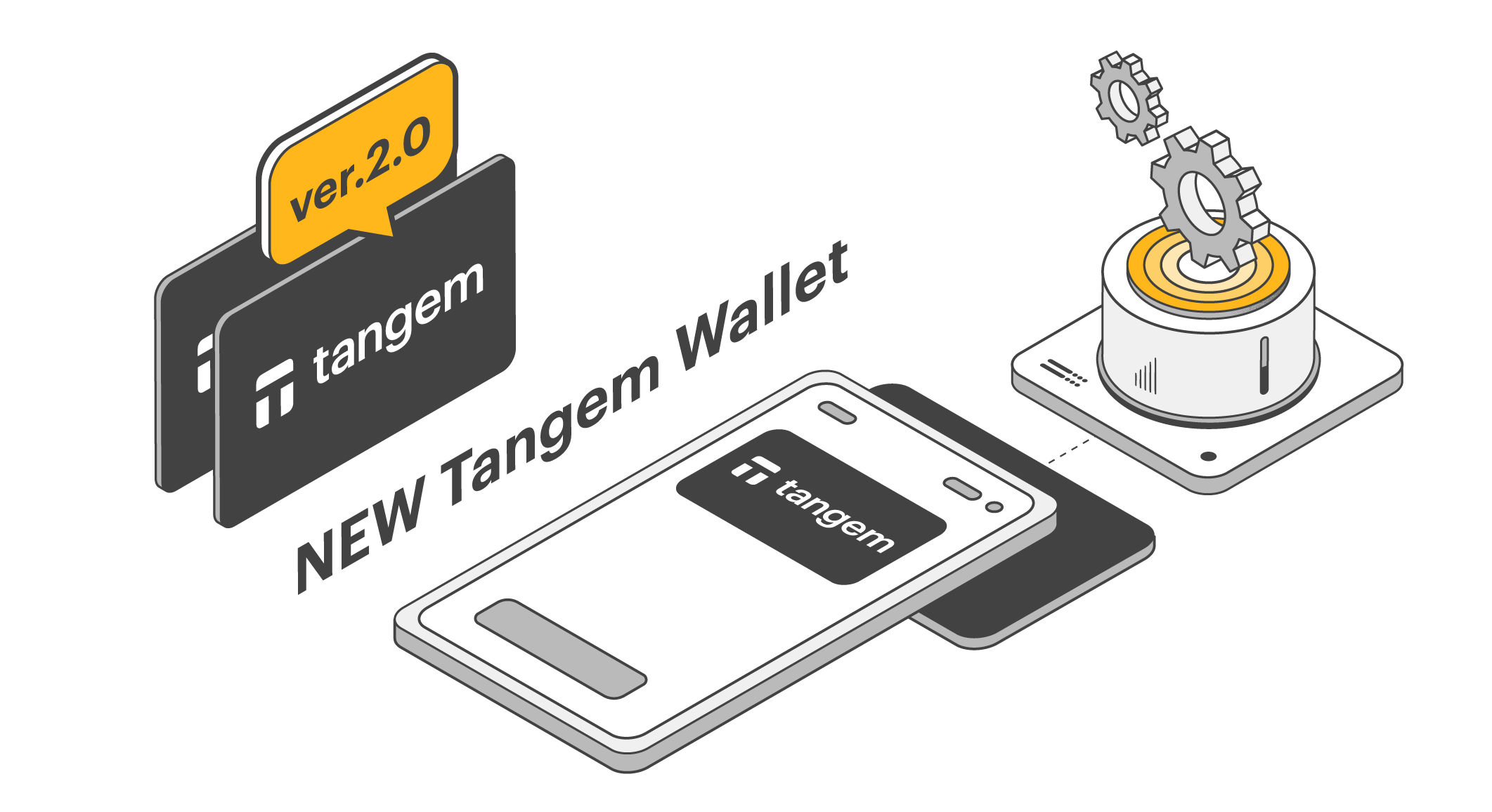
How NFC Card Wallets Work: The Nuts and Bolts
Short version: they emulate a secure element and handle private key operations internally. Really? Yep. The card uses cryptographic primitives built into its chip to generate and sign transactions, and communicates over NFC so your phone can request signatures without ever seeing private keys. Medium-length explanation: the phone acts as a relay and UI only, while the card enforces policies like requiring a PIN, limiting signature types, or demanding explicit user approval via a built-in UI (if available). Longer thought: depending on the card’s architecture, you might have additional protections such as anti-tamper enclosures, side-channel resistant chips, or securely provisioned keys that make cloning extremely difficult, although no device is perfectly immune to determined attackers.
Hmm… I remember the first time I read a whitepaper explaining secure elements versus smartcards. Initially I thought those were just marketing words, but then I realized how much trust you place in a tiny silicon piece to be honest forever. Actually, wait—let me rephrase that: you place trust in its manufacturer, its firmware processes, and the whole supply chain. So supply chain provenance is very very important.
One practical nuance that bugs me: backup strategies for card wallets are often clunkier than for seed-phrase systems. There are approaches that let you copy multiple cards from one seed, or use an offline QR or split-seed backup, but each choice shifts risk. On one hand a duplicate card means convenience and redundancy; on the other hand duplicates increase attack surface if not handled tightly. My working rule: decide whether you want a single hardware root of trust or a recoverable seed—those are different philosophies.
Here’s another tangible difference: usability. The tactile experience of tapping a card is fast and familiar. I don’t fumble with cables or tiny buttons. That lowered friction matters. People actually use their cold storage when it’s convenient. That’s not trivial; adoption sometimes depends on tiny things like whether the device fits in your wallet with your supermarket rewards card.
Let’s talk about real security scenarios. Suppose someone steals your wallet. If the card needs a PIN to sign, an attacker has to either break the chip or brute-force the PIN and bypass lockout protections. If the wallet ties authorization to a companion app plus biometric confirmation, that’s an additional layer. But if your only defense is a weak PIN, well, then you’re in trouble. There’s no silver bullet here—layered defenses win.
Whoa! You should always assume worst-case threats. Seriously? Yes—supply chain attacks and firmware compromises are real. My instinct said “this is overblown,” but then I remembered cases where insecure update mechanisms were abused in other industries. On the other hand, some vendors go to great lengths to ship devices with signing protocols and verified firmware updates, and that practice matters a lot.
When choosing a card, I look for several things in priority order: a reputable secure element, clear documentation of firmware update process, strong backup/recovery options, and a transparent threat model from the manufacturer. If they claim “unbeatable” security without evidence, that’s a red flag. I’m not 100% sure about every vendor’s claims, but I do vet the technical docs and community audits when possible.
One card I tested recently paired with an app that handled multiple blockchains and allowed quick, auditable signing. I linked my experience to a provider named tangem in my notes because their model highlights direct NFC signing with minimal friction. That integration showcased how an NFC-first UX can be elegant and secure when implemented by a team that understands mobile constraints.
Pros and Cons — No Spin, Just Trade-offs
Pros first: convenience, low friction, pocket-friendly design, and a reduced chance of losing a tiny dongle. Medium: cards are easy to carry and often cheaper than premium hardware keys. Longer: because they integrate directly with phones over NFC you avoid cables, drivers, and the roadside-inconveniences of different USB standards across devices and operating systems, which actually simplifies day-to-day use.
Cons: backup and recovery can be awkward compared to standard BIP39 seeds, and you must trust the card manufacturer’s firmware and supply chain. Also, some cards lack open-source firmware, which bugs me because transparency matters for long-term trust. There are ways to mitigate those concerns—multi-party backups, multisig setups, or keeping a separate hardware seed for recovery—but those strategies raise complexity.
Something felt off about one card I tried; small print revealed a cloud recovery option that made me uneasy. My gut said “don’t use cloud recovery for cold storage.” That gut feeling is not proof, but it’s a signal to read the fine print. On the flip side, if you’re the kind of person who needs fast access to funds—say you’re managing many small payments—a card’s convenience might outweigh the theoretical risk.
Also, cost is a factor. Card wallets can be less expensive than hobbyist hardware devices, which lowers the barrier to entry. That’s a good thing for mainstream adoption. But cheaper often means fewer security certifications, so weigh cost against your personal threat model.
Short digression: if you’re tech-curious, try a multisig where one key is a card and others are hardware keys or mobile-only keys. That hybrid approach gives you convenience for daily spending and extra resilience against device loss or vendor-specific failure. It feels almost like insurance—costly but worth it if you value your holdings.
Quick FAQ
Are NFC card wallets safe for large holdings?
They can be, but treat them like any single root key: consider multisig for large sums, verify the card’s secure element and firmware process, and avoid trusting any single vendor blindly.
Can anyone copy an NFC card?
Not easily. Secure elements are designed to prevent key extraction. Casual cloning isn’t practical; targeted attacks are more complex and expensive but theoretically possible, so protect backup seeds and consider hardware redundancy.
What if my card stops working?
If you’ve set up proper recovery beforehand (seed, duplicate card, or multisig) you can recover funds. If you relied solely on a single card with no backup, recovery may be impossible—so please plan ahead.
I’ll be honest: this space evolves fast. My recommendations in six months might shift as new chips, audits, and threats emerge. The important point I keep coming back to is this—usability and security must be balanced for real-world protection. People often choose one or the other, and that trade-off determines whether they actually use their cold storage properly.
Finally, personal closing thought: if you’re buying a card wallet for the first time, test it end-to-end with a small amount, learn the recovery process hands-on, and then scale. That pragmatic approach saved me from an expensive mistake once, and it will probably save you too. Somethin’ about hands-on testing makes theory real.
Okay—one last note before I trail off. Hardware, whether card or key, is only one layer. Your phone, social accounts, email, and physical security all factor in. So build layers, keep backups, and be slightly paranoid. That mindset keeps my crypto where it belongs: usable and safe.